VA Home Loans Typically Provide: Revealing the Rewards for Veterans and Home Purchasers
VA loans provide a distinctive pathway for active-duty service members and veterans to attain their homeownership goals. With advantages such as zero down payment requirements and competitive interest rates, these loans can alleviate financial stress. The elimination of private mortgage insurance requirements further enhances their appeal. Grasping the intricacies of VA loans is essential for prospective homebuyers. What distinct benefits can these loans provide, and what steps can applicants take to efficiently complete the application process?
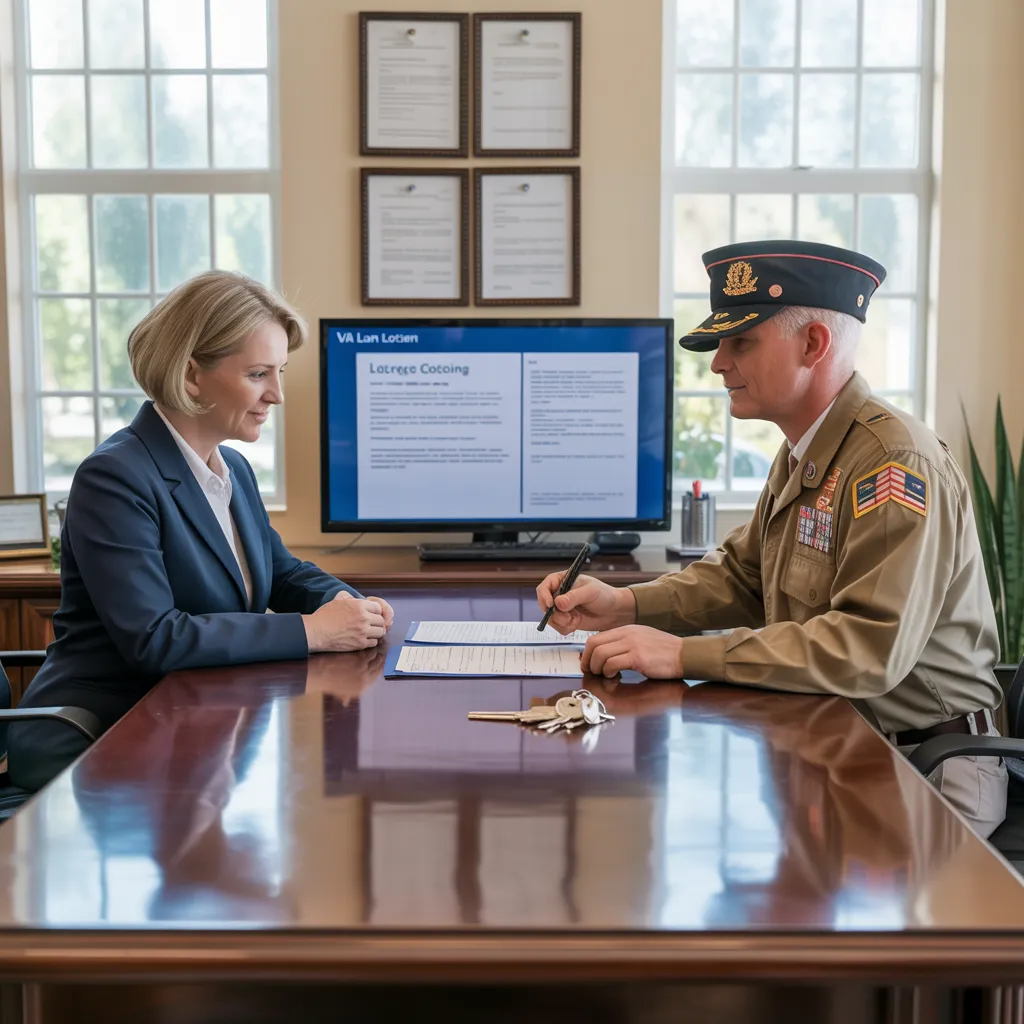
A Guide to VA Loans: Key Benefits and Eligibility Criteria
Comprehending VA loan programs is essential for veterans and currently serving military personnel looking for financial assistance for buying a home. These loans are guaranteed by the U.S. Department of Veterans Affairs, offering distinctive benefits that are tailored specifically for military service members. VA loan eligibility generally requires a required service duration, along with an honorable military discharge.
An additional significant element is the absence of a down payment requirement, which can considerably lessen the monetary strain for home purchasers. Furthermore, VA loans do not require private mortgage insurance (PMI), additionally lowering monthly costs. Interest rates for VA loans are often lower compared to traditional mortgage loans, making owning a home more accessible.
Furthermore, eligible veterans and service members receive favorable closing costs, which are regulated by the VA. Understanding these fundamental elements enables potential borrowers to make the most of the benefits that VA loans offer.
Top Benefits of VA Loans for Homebuyers
VA home loans deliver numerous significant benefits for prospective home purchasers, making them a compelling choice. Notably, these loans require no down payment, include competitive interest rates, and maintain flexible credit requirements. These features can considerably streamline the home acquisition process for veterans and active-duty service members who qualify.
No Down Payment Required
For many homebuyers, the notion of purchasing a home can be overwhelming, especially when considering the financial burdens associated with a down payment. VA loans offer a significant advantage by requiring no down payment, rendering homeownership more attainable for veterans and eligible servicemembers. This special advantage permits buyers to retain their savings for other expenses, such as renovation costs or closing fees. By removing the down payment requirement, VA loans not only decrease the initial financial hurdle but also empower veterans to enter the housing market sooner. As a result, this benefit encourages stability and cultivates a sense of community among veterans, ultimately enhancing their quality of life and supporting the overall economy.
Compelling Interest Rates
One of the most notable aspects of VA loans is their competitive interest rates, which are often notably lower than those available through standard financing. This favorable condition permits veterans and active-duty service members to realize substantial savings over the life of their mortgage. Lower rates lead to reduced monthly mortgage payments, making homeownership increasingly accessible and budget-friendly. The favorable rates also reflect the government's backing of VA loans, which reduces lender risk and motivates them to provide more favorable terms. Accordingly, this financial benefit not only strengthens the buying power of eligible borrowers but also contributes to long-term financial stability. All things considered, competitive interest rates are a fundamental element that makes VA loans an attractive option for prospective homeowners.
Versatile Credit Standards
While many traditional loans impose strict credit score requirements, flexible credit criteria characterize VA loans, making them an appealing option for homebuyers. Such adaptability permits veterans and service members on active duty to obtain loans even when their credit histories are less than ideal. Lenders often consider the entire financial picture, including income stability and debt-to-income ratios, rather than solely focusing on credit scores. Consequently, this approach helps many buyers who might feel excluded from conventional financing options. key resource Moreover, VA loans commonly waive the requirement for private mortgage insurance (PMI), reducing the overall financial strain. In summary, adaptable credit criteria improve accessibility, empowering more veterans and military households to attain homeownership free from the burden of rigid credit requirements.
No Down Payment: What You Need to Know
Veterans and active-duty service members who are looking to become homeowners can take advantage of VA loans, which offer the significant benefit of no down payment required. This feature distinguishes VA loans from traditional mortgage choices, which usually demand a significant upfront payment. By doing away with the down payment, VA loans make homeownership more accessible, allowing veterans to allocate their savings toward other important needs, such as home improvements or emergency savings.
Moreover, this zero-down-payment benefit can simplify the home buying process, allowing for quicker transactions and less financial stress. It also ensures that veterans are able to obtain a home without being required to gather a significant sum, which can be particularly beneficial for veterans transitioning to civilian life. Overall, the lack of a down payment obligation serves a vital role in enabling homeownership for those who have dedicated their service to the country, establishing it as a significant advantage of VA loans.
VA Loan Rates and What Makes Them Competitive: What Borrowers Can Anticipate
When considering VA loans, recognizing the variables that impact interest rates is vital. Veterans can gain an advantage by reviewing multiple VA rate choices to secure the best possible terms. This awareness can lead to significant savings over the life of the loan.
Comprehending Interest Rate Factors
Grasping the multiple elements that affect interest rates is crucial for individuals exploring a VA loan. Several elements contribute to the competitive rates tied to these loans. As a starting point, the VA backs a portion of the loan, reducing risk for lenders and often resulting in lower rates for borrowers. Furthermore, broader economic conditions, such as inflation and the Federal Reserve's monetary policy, play a significant role in determining interest rates. Credit history and borrowing amounts also shape the rates offered. Furthermore, the lending institution and industry competition can lead to variations in interest rates. By grasping these factors, veterans and prospective homeowners can more effectively manage the mortgage market and lock in competitive terms for their VA loans.
Comparing VA Rates Options
The favorable interest rates tied to VA loans make them a compelling option for eligible individuals. Such rates frequently undercut those of traditional loans, making it easier for veterans and active-duty service members to achieve homeownership. Interest rates are usually determined by lenders based on a range of factors, including credit scores and current market trends. In addition, VA loans eliminate the need for private mortgage insurance (PMI), which contributes to their overall affordability. Borrowers can compare rates from multiple lenders to find the most favorable terms. A thorough review of not just the interest rate, but also closing costs and additional fees, is essential for informed decision-making. Overall, VA loans offer significant financial advantages, enabling service members to secure homes at manageable costs while promoting long-term stability.
Reasons You Can Avoid Private Mortgage Insurance
Although many homebuyers are burdened by private mortgage insurance (PMI) as a result of low down payments, veterans and active-duty service members benefit from VA loans, which eliminate this cost. This considerable perk permits eligible borrowers to save on monthly costs, making homeownership a more realistic financial goal. PMI generally inflates monthly mortgage payments, elevating the overall expense of homeownership. By doing away with this requirement, VA loans empower veterans to devote more resources to their homes or channel funds toward other important priorities, including education or savings.
Furthermore, the absence of PMI signifies the federal government's pledge to aiding those who have served the nation. This feature not only alleviates the economic hardship but also enhances the path to homeownership for many veterans and active-duty service members. In essence, the elimination of PMI serves as an indispensable feature, adding to the broad appeal of VA loans in the real estate market.

How to Successfully Apply for a VA Loan
Navigating the VA loan application process can be manageable with the right steps in place. To begin, potential borrowers must secure a Certificate of Eligibility (COE), which verifies their military service and eligibility for VA benefits. This can be completed online through the VA's website or via a lending professional.
Subsequently, candidates should collect essential documentation, including income documentation, tax filing history, and credit records. A high credit score, although not a strict requirement, can improve the terms of the loan.
Choosing a VA-approved lender is crucial; such specialists are well-versed in the unique stipulations of VA loans. After choosing a lender, the loan application process gets underway, involving the submission of documents and a review of credit history.
Upon underwriting and approval, borrowers are able to close on their new home, benefiting from the exceptional benefits VA loans offer, such as no required down payment and competitive interest rates.
Questions Our Customers Often Ask
Can a VA Loan Be Used for Investment Properties?
VA loans are unable to be applied to investment properties. They are intended exclusively for primary residences, permitting veterans and active-duty service members to achieve favorable terms for homes they will occupy as their main dwelling.
What Happens if I Default on a VA Loan?
Should a borrower fail to repay a VA loan, the lender may initiate foreclosure proceedings. The Department of Veterans Affairs may provide assistance, yet the borrower's credit score will take a significant hit, considerably affecting future borrowing opportunities.
Can VA Loans Be Transferred to Someone Else
VA loans are commonly assignable to a different borrower, but particular criteria must be satisfied. The new borrower must qualify for the loan, and the existing borrower may continue to be held accountable for the loan until it is fully assumed.
How Much Time Does the VA Loan Approval Process Require?
The VA home loan approval process generally takes 30 to 45 days on average. Considerations such as the completeness of documentation, lender processing speed, and borrower circumstances may influence the approval timeline, potentially extending the overall approval period beyond this typical range.
Is It Possible to Refinance My Current Mortgage With a VA Loan?
Absolutely, individuals can refinance their current mortgage with a VA loan. This program, known as the Interest Rate Reduction Refinance Loan program (IRRRL), allows veterans to obtain more favorable terms and reduced interest rates on their existing mortgages.
Comments on “VA Loans California for First-Time Buyers”